
90 days Re-engagement email campaign

Preview the Workflow
Author:

Categories:
Tools:
Publication date:
Plan:
Description:
A customer who stops buying hasn't necessarily lost interest. Most of the time, they just stopped hearing from you, while a competitor kept reminding them to buy.
That's worth fixing. Acquiring a new customer typically costs 4 to 8 times more than keeping one you already have, and repeat customers spend 67% more per order than first-time buyers. A 90-day gap doesn't erase that trust, it just leaves it sitting there.
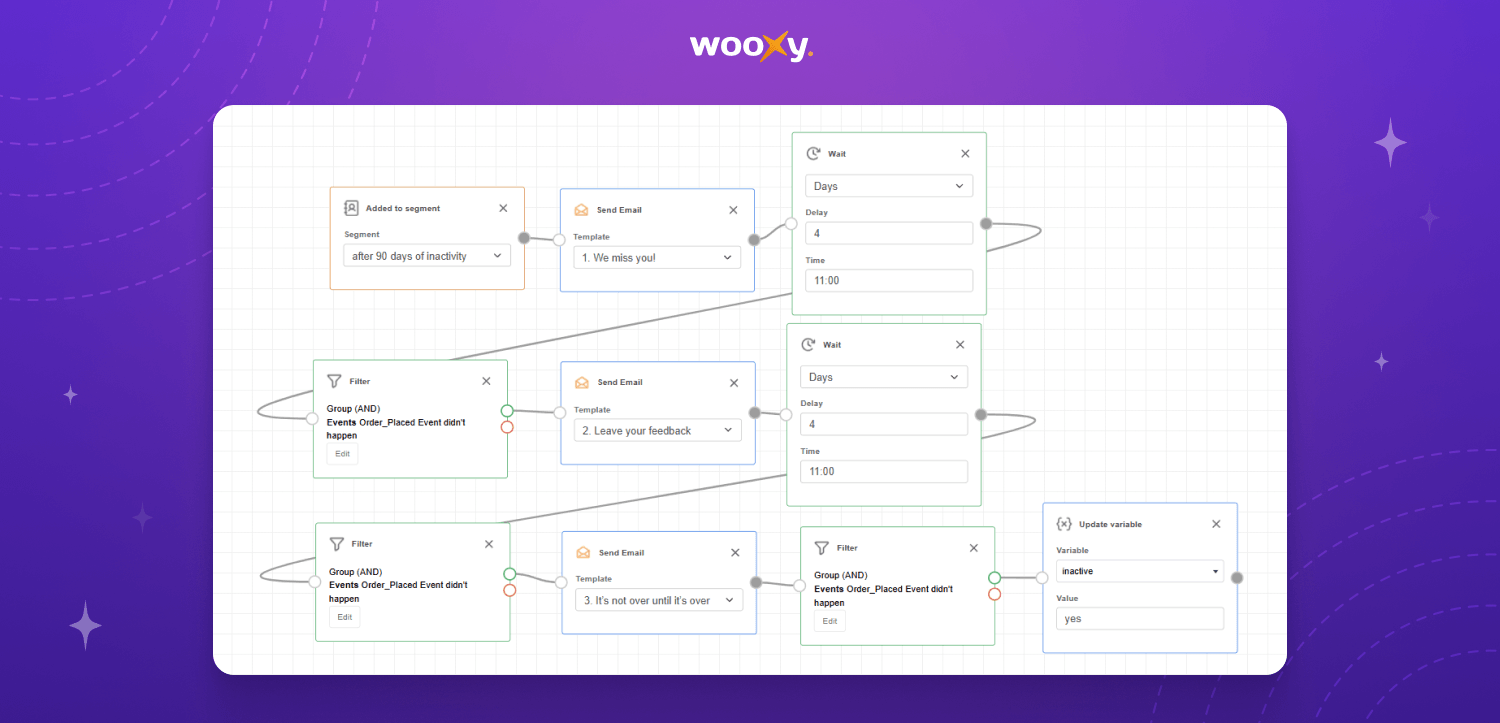
This workflow does the win-back work for you. It's three emails, sent one at a time, and each one only goes out if the customer still hasn't ordered.
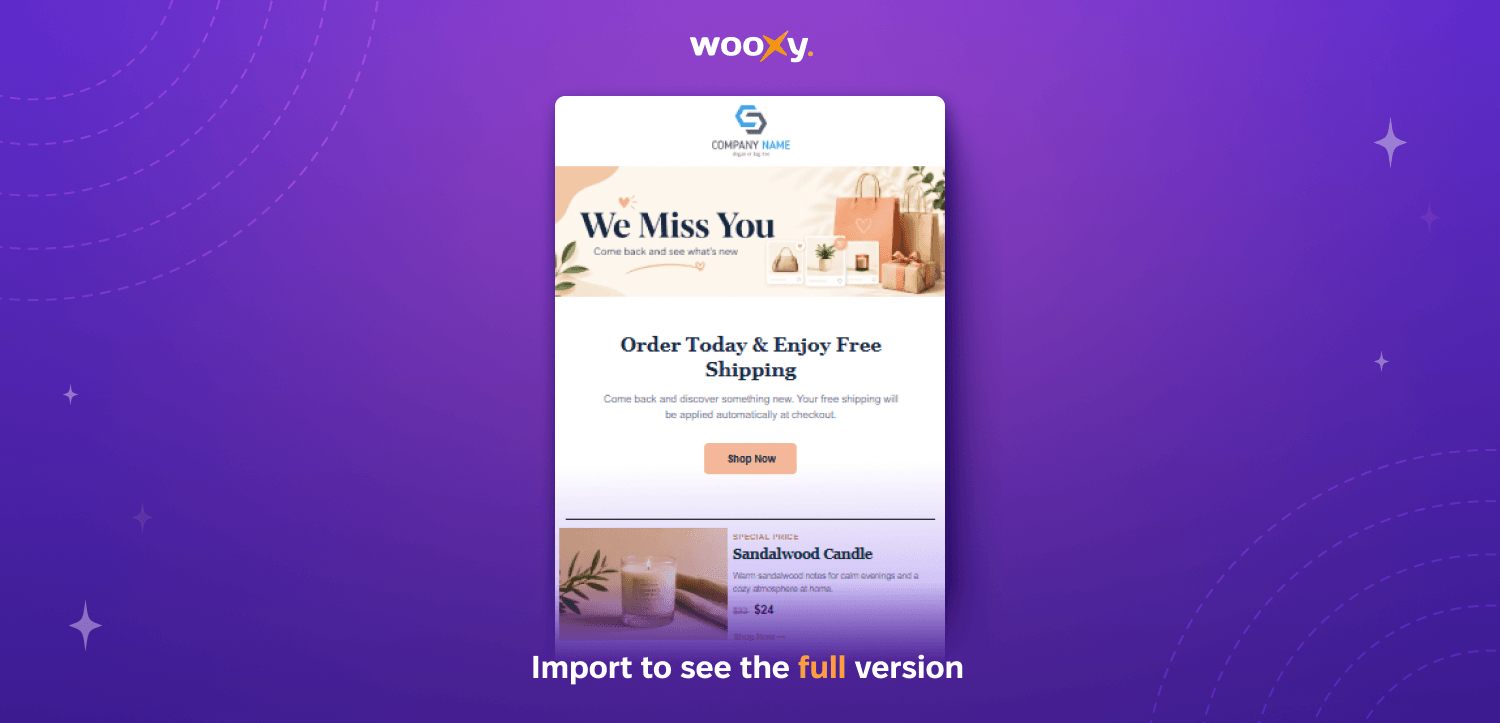
- "We Miss You" — a simple reminder with a real incentive (free shipping in this version). Sent as soon as someone matches your inactivity segment.
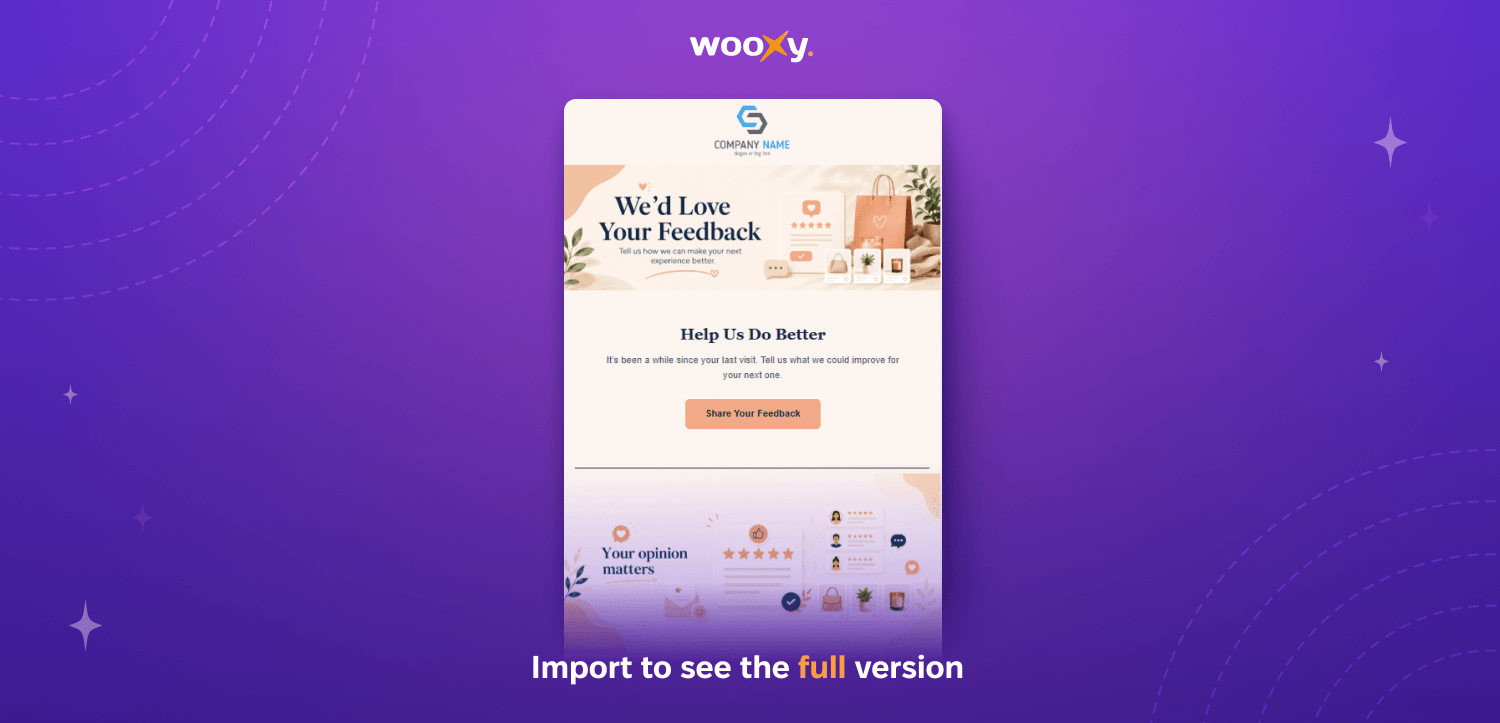
- "Leave Your Feedback" — no offer this time, just a quick question. It's a break from the sales pitch that keeps the sequence from feeling repetitive.
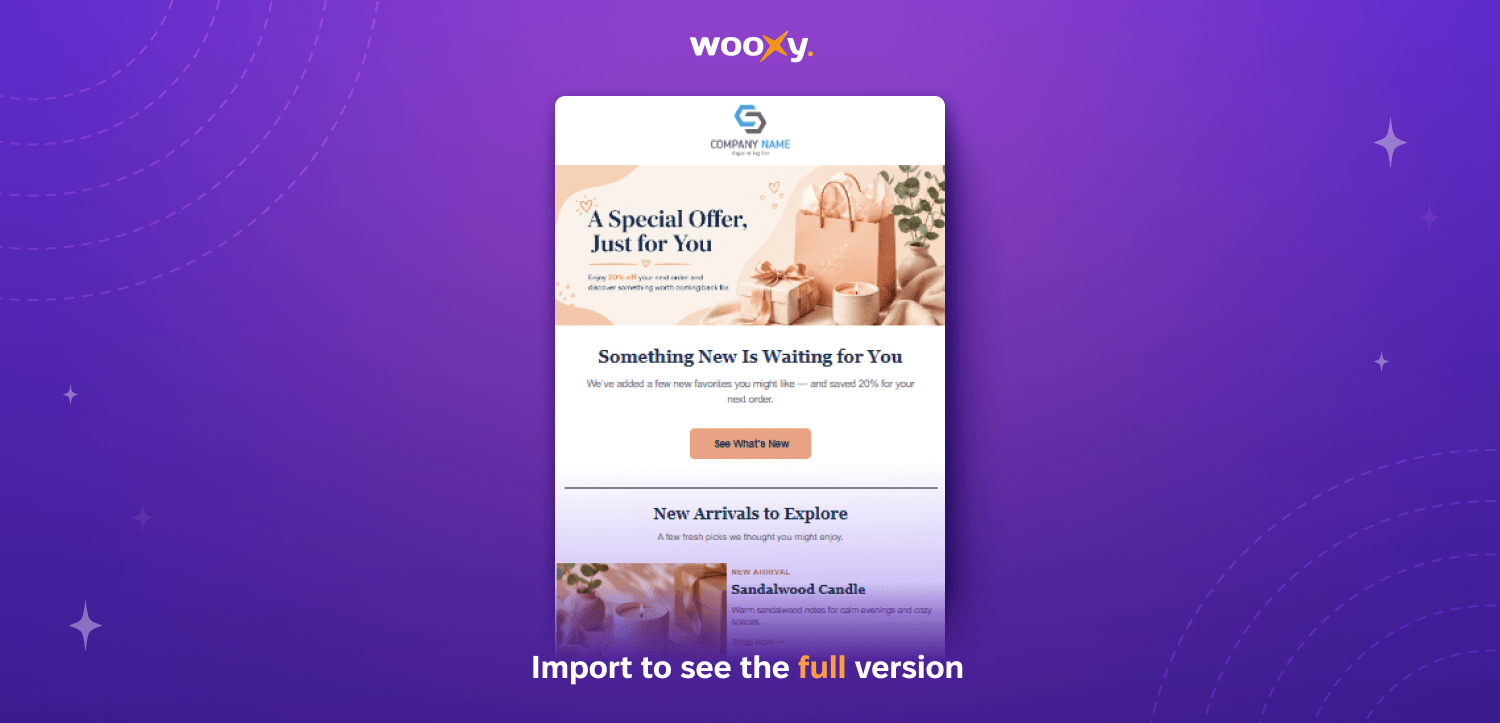
- "It's Not Over Until It's Over" — one last email with a clear, time-limited offer. It's the final message, and it says so.
Still no order after all three? The workflow tags the contact as inactive on its own, no manual list checking. That keeps future campaigns focused on people who are actually likely to respond, and protects your sender reputation.
A couple of things worth knowing:
- Each step checks for a real purchase, not whether the last email was opened. Open tracking isn't reliable across every inbox provider, so this keeps the numbers honest.
- Every email needs a working unsubscribe link, that's a legal requirement, not just good practice.
- 90 days works well for general retail and apparel. If your customers naturally buy more or less often, adjust the segment to match your own repeat-purchase cycle instead of using 90 as a fixed rule.
- Four days between each email gives people enough time to act without dragging the sequence out for weeks.
One segment, three emails, and a system that checks itself instead of a list someone has to remember to review.
More like this workflow