


Gmail Username Changes: What Email Marketers Should Know
One subscriber renames their Gmail address today. Their purchase history stays on the old one. Your next campaign goes out, and part of your list quietly splits into two contacts instead of one. Multiply that by every subscriber who eventually uses this option, and the gap adds up fast.
That's not hypothetical. As of March 31, Google lets US users rename their Gmail address without losing their inbox or history. The old address doesn't disappear. It becomes a second ID sitting inside a database that was never built to expect it. Users can do this up to three times over the life of an account, once every 12 months.
For a small business, this might be a curiosity. For any platform managing thousands of contacts, it's a data hygiene problem waiting to happen.
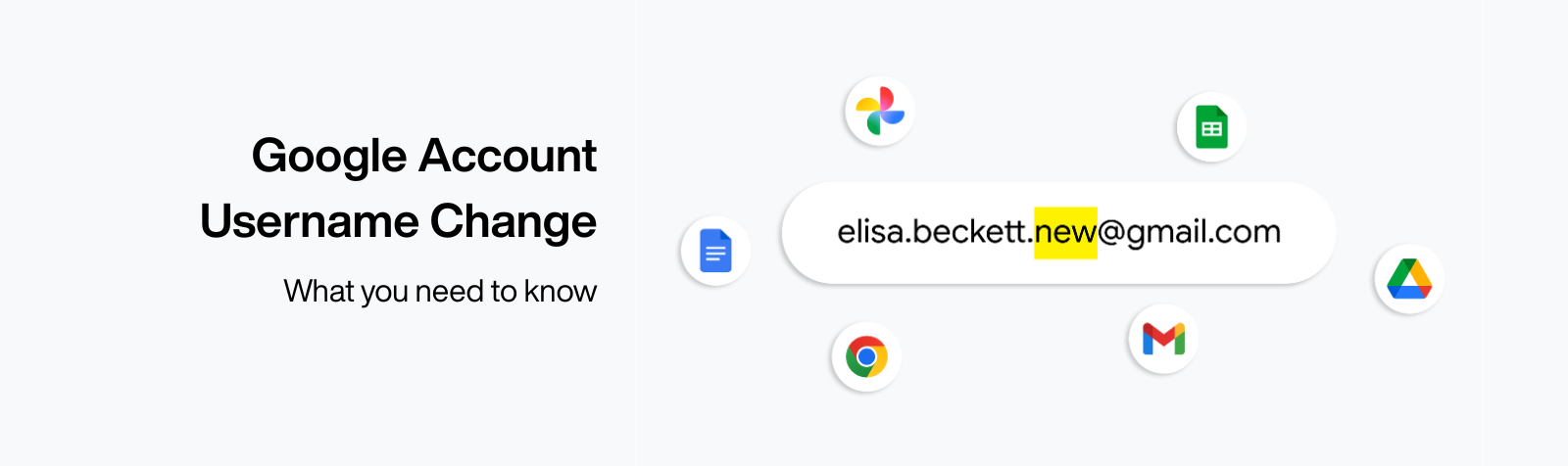
Image: Google Developers Blog
What Changed With Gmail Address Changes in 2026?
Until now, Gmail users who wanted a new address had to create a fresh account and move their data over manually. Google has now opened username changes to all US Google Account holders, not just business Workspace users who already had this option.
For anyone running a contact database, the important part is this: the old address doesn't disappear. It becomes an alternate email on the same account. Both the old and new address point to the same inbox, and people can sign in or receive mail with either one.
Did you know? The US rollout landed one day before Gmail's 22nd anniversary. Gmail originally launched on April 1, 2004. This is the first time an address could be renamed without opening a new account from scratch.
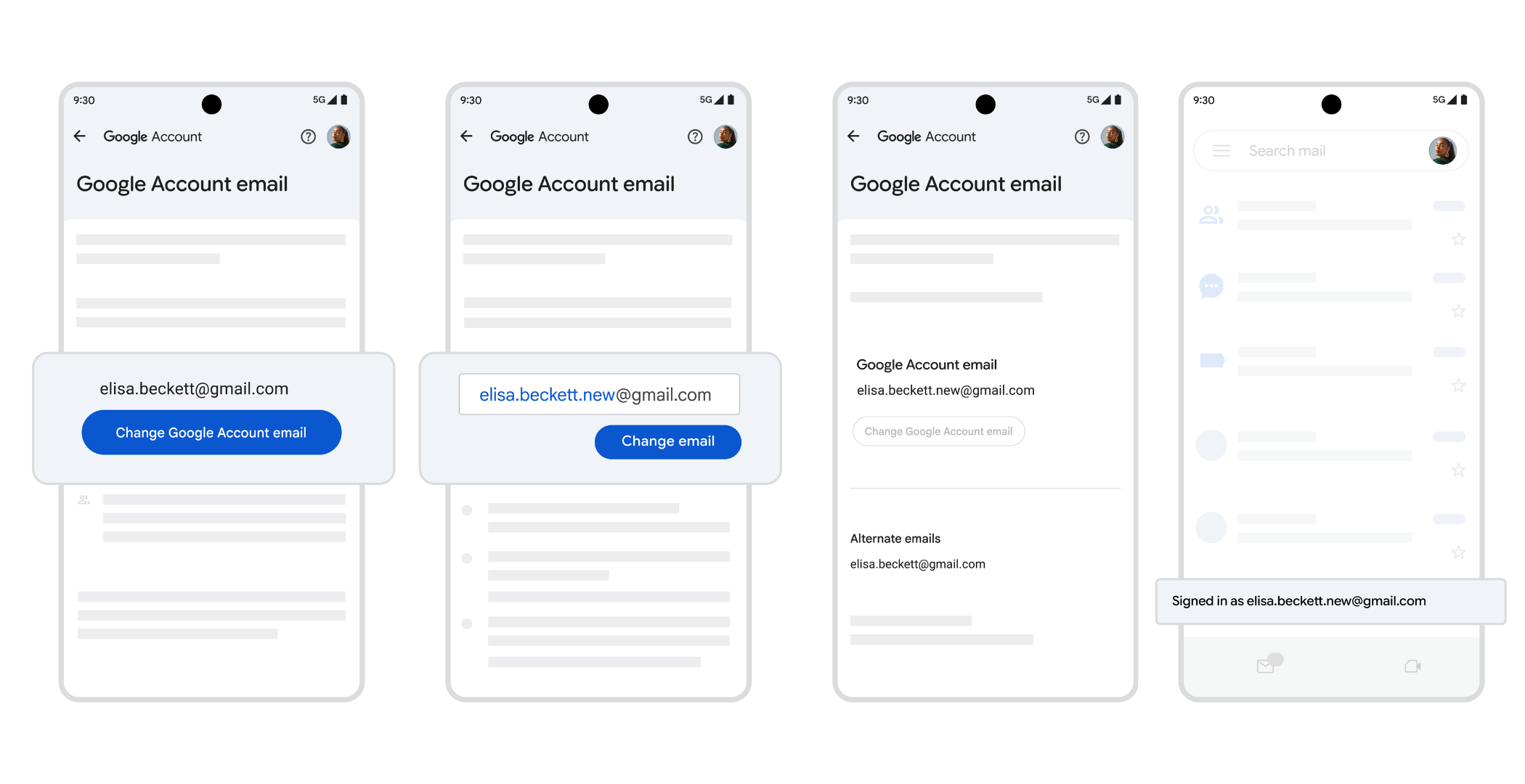
Image: Google Developers Blog
How Does the Old Gmail Address Keep Working?
When someone changes their Gmail username, Google keeps the original address as an alternate email linked to the same account. Emails sent to either address land in the same inbox, and both remain valid login credentials. For most everyday users, that's the full picture, and it's genuinely convenient.
For platforms that connect through Sign in with Google, it's slightly more complicated. According to Google's own developer guidance, the safest identifier has always been the account's subject ID. It's more reliable than the email string pulled from a login token.
Important: Say someone revoked a Sign in with Google connection, then renamed their account. The platform sees their new address at the next login, not the old one. That mismatch can silently create a duplicate profile in a database keyed on email alone.
Why Email Addresses Are Risky as Primary User Identifiers
Marketing platforms and CRMs have leaned on email as the default primary key for years. It's unique, it's easy to collect, and it doesn't require extra verification steps. That convenience is why this update is worth noticing, even in a business that has nothing to do with app logins.
A contact who renames their Gmail address can show up twice in a list. One entry has the original address, and a second one appears if a form later captures their new address. Segmentation and personalization built entirely around one email string are more fragile than they look.
This doesn't require an urgent fix. Most email marketing tools still work fine with email as a reference point. It's a signal to treat the address as one identifying detail among several. Others include account creation date, purchase history, or engagement patterns tracked over time, which is how Wooxy builds contact profiles by default.
Should Marketers Change Anything Right Now?
Not urgently. Google's rollout is currently limited to personal Gmail accounts in the US, and the company hasn't announced a timeline for other regions. Most contact databases won't see any disruption from this in the short term.
That said, it's a reasonable moment to check how your own systems identify a customer. If "email address" is the only field tying a person's history together, this update is worth noting. It previews a problem that could resurface later if other providers introduce similar changes. A quick internal note to your team costs little and can save a support headache down the line.
What Gmail Username Changes Mean for Email Marketers
This is the kind of shift that makes customer retention harder to track with only one email field per person. It's a problem the wider email marketing industry will keep meeting as providers loosen old rules. Wooxy builds contact profiles around more than one identifying signal from the start. Segmentation and event tracking keep working even if a subscriber renames their inbox. Personalization stays tied to the person, not just the address on file.
An address is one data point in a longer customer relationship, not the entire relationship itself. Worth remembering regardless of what any single provider changes next.
Frequently Asked Questions on Gmail Username Changes
-
Is the Gmail username change available outside the US?

Not yet. Google has only confirmed the rollout for US-based Google Account users, with no announced date for other regions.
-
Does changing a Gmail username delete old emails or contacts?
No. Google keeps the original address as an alternate email on the same account, and all account data stays intact.
-
How often can someone change their Gmail username?
Google's Help Center limits the change to once every 12 months, with three total changes per account.
-
Does changing a Gmail address affect email deliverability?
No. The address change itself doesn't disrupt your email campaigns because Google keeps the old address active and delivering. The real risk is contact matching, not deliverability.
-
Can changing a Gmail address create duplicate CRM contacts?
Yes, if your database matches contacts by email address alone. A renamed address can register as a new, separate contact instead of updating the existing one.
-
Do businesses need to update their systems immediately?
Most don't. The bigger risk applies to platforms using Sign in with Google that match users by email instead of subject ID.
-
Does this affect Google Workspace business accounts?
Not in the same way. Google Workspace administrators already had tools to change user email addresses before this rollout expanded the capability to personal @gmail.com accounts.
Conclusion
A renamed Gmail address is a small thing on its own. The bigger point is that email was always a convenient identifier, not a permanent one. Businesses that build customer profiles around more than one field will barely notice changes like this. That's true now, and whenever the next provider makes a similar move.

